
Chris French
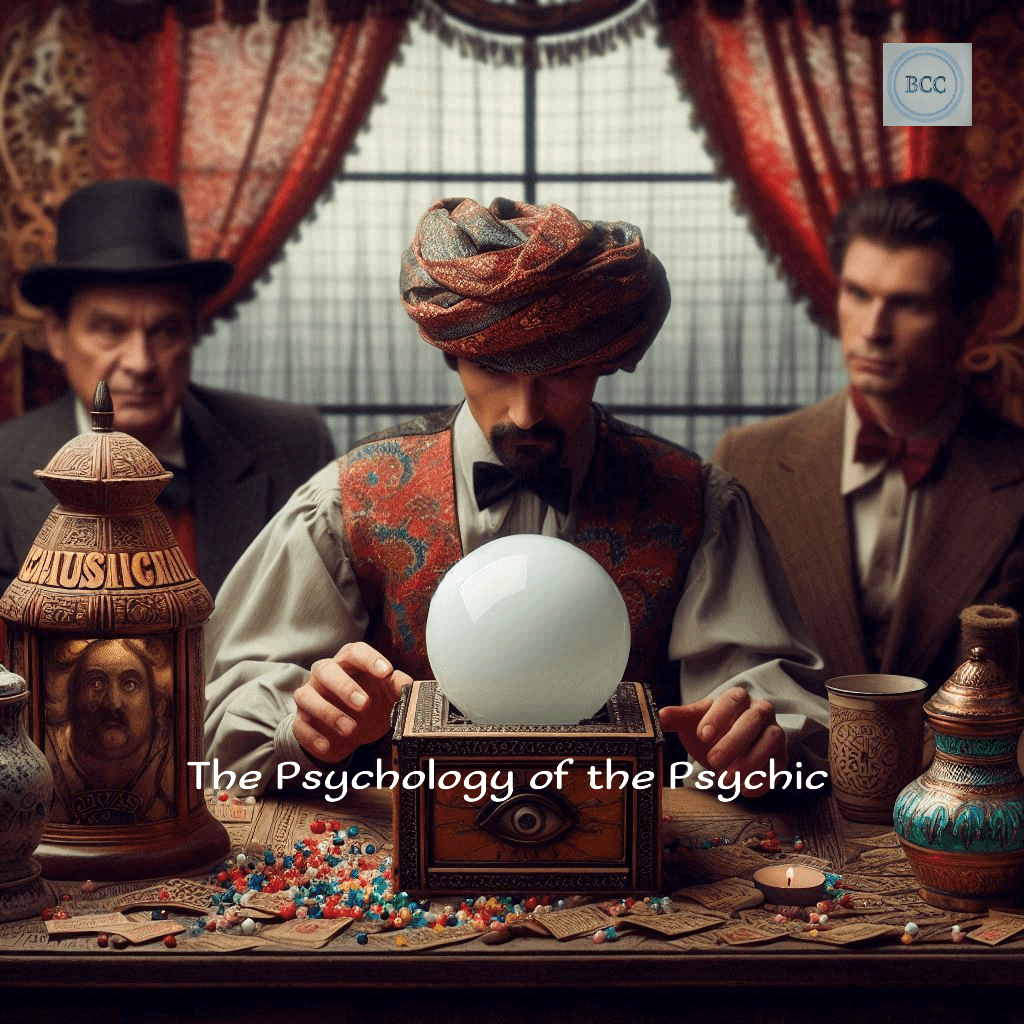
As a behavioralist I found the article “The Psychology of the Psychic” by Chris French enlightening
The Psychology of the Psychic: Unpacking Human Belief Systems
Chris French delves into why people are drawn to psychic phenomena, despite a lack of scientific evidence. Through a behavioralist lens, this exploration highlights how cognitive biases, emotional needs, and social influence drive belief in the paranormal. I found three compelling findings from the article.
Cognitive Bias and Pattern Recognition
Our brains are wired to find patterns—even when none exist. This tendency, known as pareidolia, explains why we often see connections between unrelated events, fueling beliefs in psychic phenomena. The brain’s need to make sense of randomness can lead people to attribute meaningful outcomes to psychic abilities.
Emotional Comfort and Coping Mechanisms
Belief in the paranormal can serve as an emotional buffer during times of uncertainty or distress. Psychic readings often provide comforting narratives, giving individuals a sense of control or hope in unpredictable situations. This aligns with the theory that such beliefs function as adaptive coping strategies for emotional regulation.
Social Reinforcement and Group Dynamics
Group settings, particularly those that support paranormal beliefs, amplify psychic experiences. The confirmation bias in these environments strengthens belief, as individuals are more likely to remember and share “hits” (accurate predictions) while ignoring “misses” (failed predictions). This social reinforcement cycle perpetuates the illusion of psychic accuracy.
These insights reveal the complex interplay of cognition, emotion, and social influence that sustain belief in psychic phenomena—challenging us to think critically about how and why we interpret the world as we do. Remind you of someone?
https://thereader.mitpress.mit.edu/the-psychology-of-the-psychic/
Want to Know More?

 Cognition & Commerce.